
Where to Buy LVL Timber in Bulk for Infrastructure Projects?
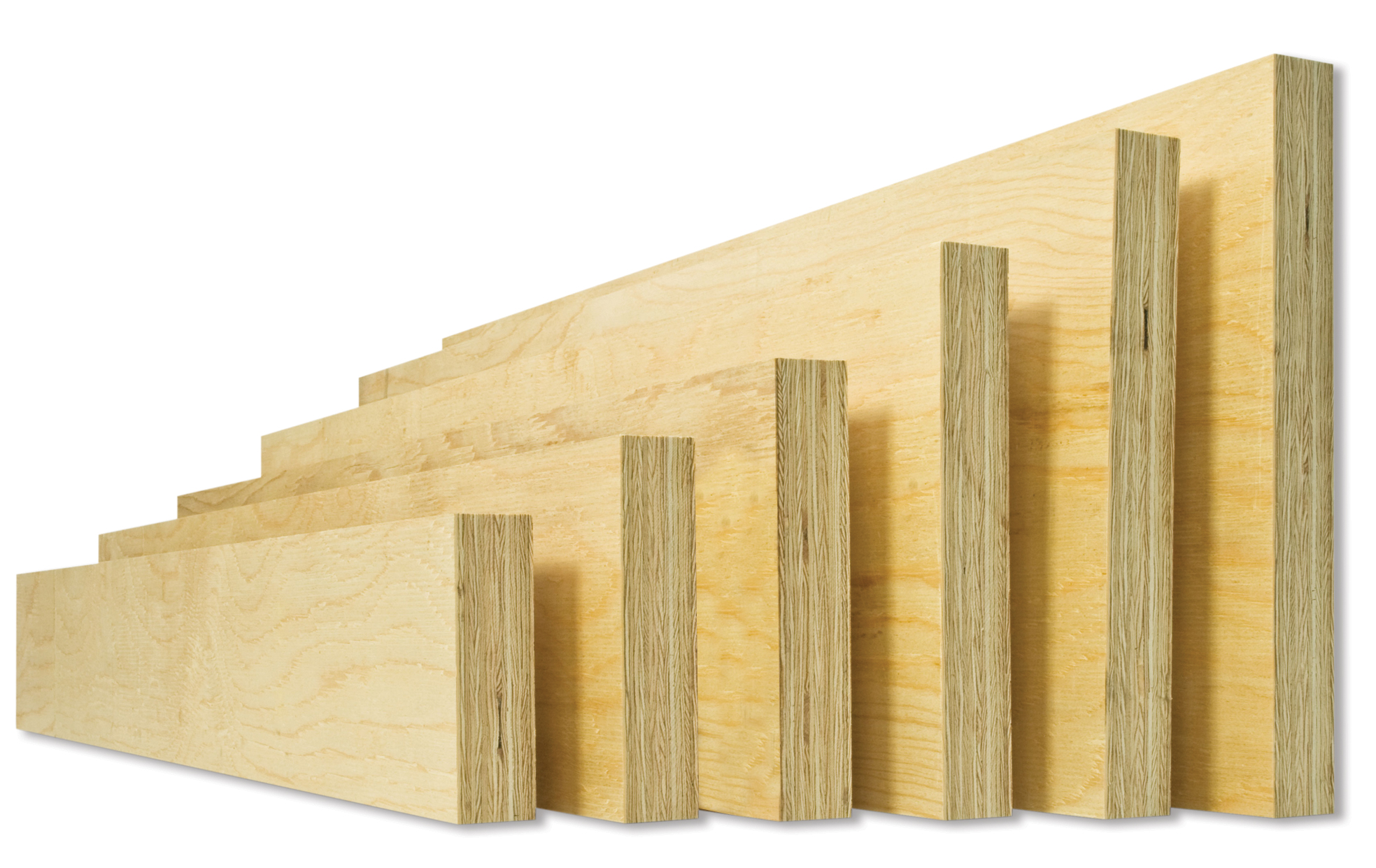
What is LVL Timber and Why is it Important for Infrastructure Projects?
Laminated Veneer Lumber (LVL) is an engineered wood product created by bonding multiple thin layers of wood veneers with adhesive under heat and pressure. This manufacturing process produces a structural material that outperforms traditional timber in strength, consistency, and dimensional stability.
When planning large-scale infrastructure projects, professionals often search for reliable options like lvl timber buy because of its exceptional load-bearing capacity and structural reliability. The material maintains uniform strength throughout its length, eliminating the natural defects found in solid timber such as knots and grain irregularities. This consistency makes it ideal for critical structural applications where failure isn’t an option.
Benefits of bulk purchasing LVL timber for infrastructure projects include:
- Substantial cost reductions through economies of scale, lowering per-unit prices significantly
- Streamlined logistics with fewer deliveries and simplified procurement processes
- Guaranteed supply continuity preventing project delays caused by material shortages
- Reduced administrative burden from managing fewer purchase orders and supplier interactions
The combination of superior material properties and bulk purchasing advantages makes LVL timber particularly attractive for large-scale construction ventures. Projects ranging from commercial buildings to bridges benefit from the material’s strength-to-weight ratio, whilst bulk procurement ensures budgets remain controlled and timelines stay on track. This dual advantage positions LVL timber as a strategic choice for infrastructure developers seeking both performance and value.
Why LVL Timber is Perfect for Infrastructure Projects
LVL timber offers outstanding performance for structures due to its excellent strength-to-weight ratio, making it the top choice for demanding infrastructure projects. Unlike traditional timber, which can have natural flaws, engineered wood such as LVL provides consistent quality and reliable load-bearing capabilities.
Key Benefits of LVL Timber for Infrastructure
Here are some key properties that make LVL stand out:
- Dimensional stability: LVL resists warping, twisting, and shrinking even in challenging environmental conditions.
- Moisture resistance: It maintains its structural integrity when exposed to humidity and weather changes.
- Termite protection: Treated LVL products offer enhanced resistance to pest damage.
- Durability: LVL outlasts conventional timber in high-stress applications.
How LVL Timber is Used in Infrastructure Projects
Infrastructure projects rely on LVL for critical structural components including:
- Load-bearing beams
- Support columns
- Concrete formwork systems
- Scaffolding platforms
- House framing assemblies
The uniform composition of LVL allows engineers to specify precise load calculations without needing safety margins for natural timber variations.
Cost Savings with LVL Timber
Cost-efficiency is another significant advantage of LVL over traditional timber. Here’s how:
- Longer spans reduce the need for intermediate supports, cutting both material and labour costs.
- The consistent dimensions eliminate waste from cutting around defects.
- The lightweight nature of LVL reduces transportation expenses and simplifies on-site handling.
- Projects requiring large quantities benefit from predictable pricing and availability.
In contrast, solid timber can have fluctuating market conditions and quality variations, making it less reliable for budgeting and planning purposes.
Why Should Buyers Consider Purchasing LVL Timber in Bulk?
Bulk purchasing delivers immediate cost savings that LVL timber buyers can’t afford to ignore. Volume orders unlock economies of scale that reduce per-unit prices by 15-30%, directly improving project budgets and profit margins.
The procurement efficiency gains extend beyond price. Consolidating orders into fewer, larger shipments cuts administrative overhead, reduces paperwork, and minimises the time project managers spend coordinating deliveries. Single-source procurement simplifies quality control and accountability.
Bulk purchase benefits become critical for maintaining construction schedules. Securing large quantities upfront eliminates the risk of supply shortages that can halt work and trigger costly delays. Infrastructure projects operating on tight timelines need guaranteed material availability, not last-minute scrambling for stock.
Large-scale infrastructure developments gain competitive advantages through bulk ordering:
- Consistent material quality across the entire project from single production batches
- Priority allocation during high-demand periods when suppliers face stock constraints
- Flexible delivery scheduling that aligns with construction phases
- Reduced transport costs through consolidated shipping
Projects spanning months or years benefit from price protection. Locking in bulk orders shields budgets from market volatility and seasonal price fluctuations that can erode financial planning. The upfront commitment provides cost certainty that simplifies long-term project management.
Where Can Buyers Source Bulk LVL Timber in Australia?
Australian infrastructure projects have access to several established LVL timber suppliers Australia offering comprehensive bulk supply solutions. The market features specialized distributors with proven track records in delivering large-volume orders across major metropolitan areas.
AUSWOOD operates as a leading supplier across Sydney, Melbourne, and Brisbane, providing premium-grade LVL timber specifically engineered for infrastructure applications. Their product range includes structural beams, formwork-grade materials, and custom-cut specifications designed to meet demanding construction requirements. The company maintains substantial inventory levels to accommodate bulk orders without extended lead times.
Westall Timber serves the Victorian market with high-quality LVL products available through their online ordering platform. Their bulk LVL supply Sydney Melbourne Brisbane network ensures rapid delivery schedules, particularly beneficial for time-sensitive infrastructure projects. The supplier offers technical support to help buyers select appropriate grades and dimensions for specific structural applications.
Regional timber merchants and specialized engineered wood distributors also provide bulk LVL options. These suppliers typically offer:
- Volume discount structures for orders exceeding standard quantities
- Direct manufacturer relationships ensuring competitive pricing
- Technical documentation and compliance certificates
- Flexible delivery scheduling to align with project timelines
- Custom cutting services to reduce on-site waste
It’s important for buyers to understand the biosecurity regulations that may affect their timber sourcing process in Australia. Therefore, they should request detailed quotations from multiple suppliers, comparing not just unit prices but delivery capabilities, quality certifications, and after-sales support services.
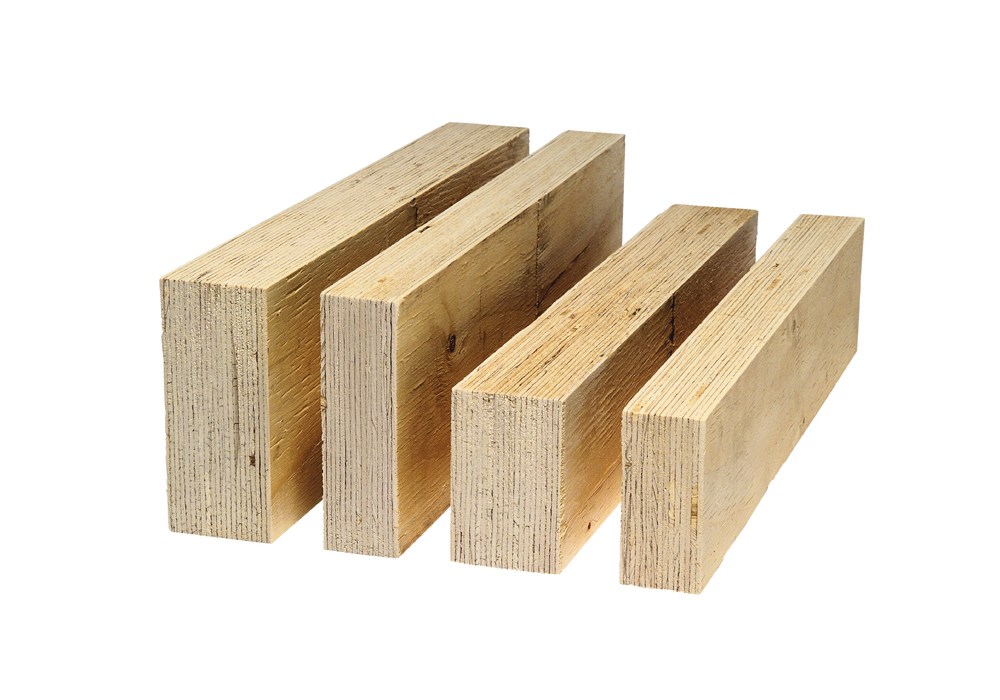
How Can Buyers Ensure Sustainable Sourcing of LVL Timber?
Sustainable timber sourcing protects forest ecosystems whilst securing long-term material availability for infrastructure projects. Buyers who prioritise environmental responsibility reduce their carbon footprint and align with increasingly stringent building regulations across Australia. Learn more about what is Reo Bar and why is it critical for concrete reinforcement?.
FSC certification serves as the gold standard for verifying ethical timber procurement. The Forest Stewardship Council independently audits suppliers to confirm they follow responsible logging practices that prevent deforestation, protect wildlife habitats, and support local communities. Infrastructure buyers should request FSC documentation before finalising bulk orders.
Australian suppliers committed to sustainability typically provide:
- Chain-of-custody certificates tracking timber from forest to factory
- Transparent sourcing information identifying harvest locations
- Third-party audit reports confirming compliance with environmental standards
- Regeneration programmes ensuring replanted forests exceed harvested volumes
Buyers can verify supplier credentials by checking FSC’s online database or requesting recent certification renewals. Some Australian LVL manufacturers also hold additional credentials like Responsible Wood certification, which applies Australian forest management standards.
Sustainable procurement extends beyond certifications. Buyers should evaluate suppliers’ manufacturing processes, including energy efficiency, waste reduction programmes, and water conservation measures. These factors contribute to the overall environmental impact of LVL timber production whilst demonstrating genuine commitment to ecological stewardship rather than superficial greenwashing.
What Strategies Help Optimize Bulk Purchases of LVL Timber?
Smart procurement strategies begin with thorough market research to identify pricing patterns, seasonal fluctuations, and supplier capacity. Tracking timber market trends helps buyers time their purchases during periods of lower demand or when suppliers offer promotional rates, potentially saving thousands on large orders.
Negotiating volume discounts becomes significantly easier when buyers demonstrate commitment through larger order quantities. Suppliers typically offer tiered pricing structures where per-unit costs decrease as order volumes increase. Request detailed quotes from multiple suppliers and use competitive pricing as leverage during negotiations.
Supplier relationship management extends beyond single transactions. Establishing long-term partnerships with reliable LVL timber suppliers creates mutual benefits:
- Priority access to stock during high-demand periods
- Flexible payment terms tailored to project cash flow
- Early notification of price changes or new product lines
- Dedicated account management for streamlined ordering
Buyers should consolidate orders when possible rather than placing multiple small purchases. Combining requirements across different project phases or sites maximises volume discounts whilst reducing delivery costs and administrative overhead.
Request detailed product specifications and compliance documentation upfront to avoid delays. Clarifying delivery schedules, storage requirements, and quality standards during initial negotiations prevents costly misunderstandings. Suppliers appreciate buyers who communicate clearly about project timelines and can often accommodate specific delivery windows for large infrastructure projects.
How Does Buying Bulk LVL Timber Impact Project Efficiency and Costs?
Does bulk purchasing actually reduce construction expenses?
Absolutely—bulk LVL timber procurement delivers immediate construction cost optimisation by leveraging volume discounts that can reduce material expenses by 15-30% compared to smaller orders. These savings cascade through the entire project budget, freeing capital for other critical infrastructure components whilst maintaining structural quality standards.
Can bulk buying prevent project delays?
The answer lies in supply chain stability. When contractors secure bulk LVL timber orders upfront, they eliminate the risk of material shortages that typically cause 2-4 week delays in infrastructure projects. This guaranteed availability directly enhances project timeline efficiency, allowing construction teams to maintain momentum without waiting for restocking or sourcing alternative materials.
The bulk material benefits extend beyond immediate cost savings:
- Reduced delivery fees through consolidated shipments
- Simplified inventory management with predictable stock levels
- Lower administrative overhead from fewer purchase orders
- Consistent material