What Is Reo Bar and Why Is It Critical for Concrete Reinforcement?
What is Reo Bar and Why Is It Critical for Concrete Reinforcement?
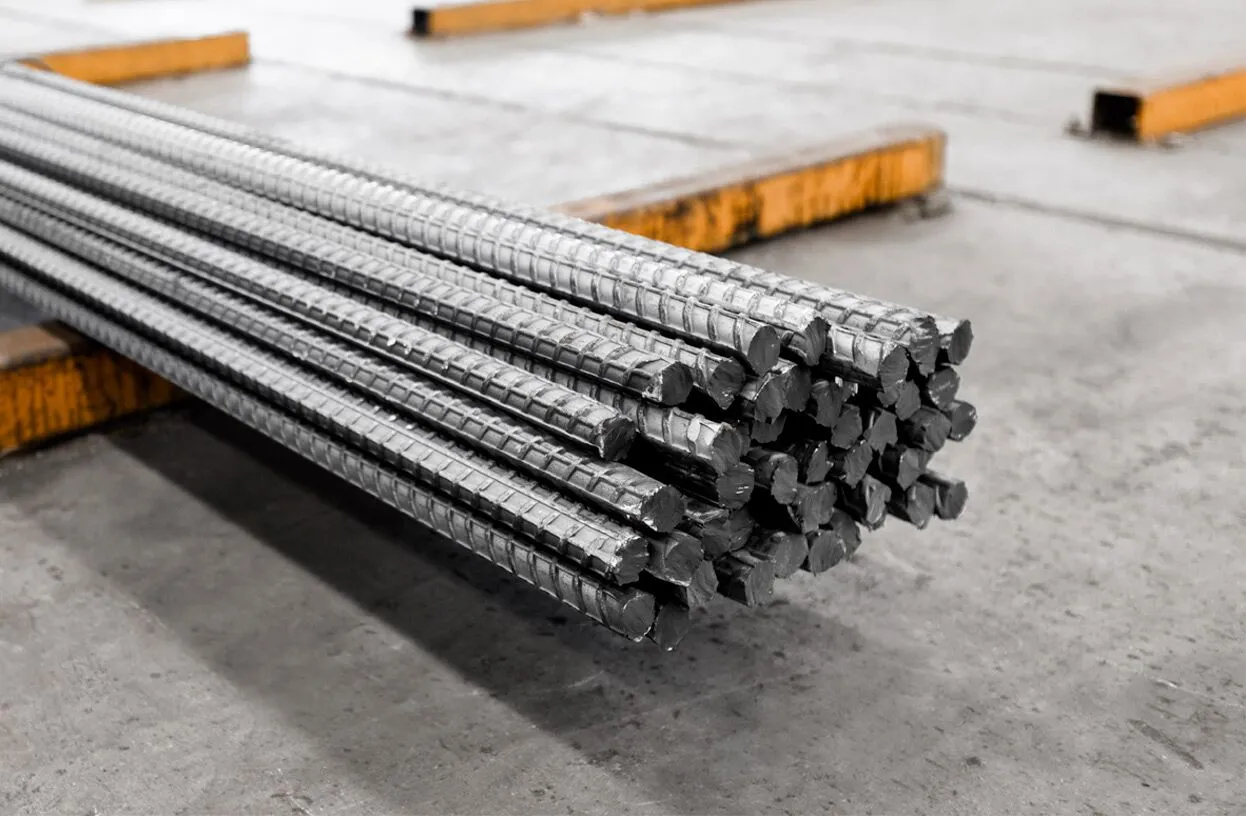
Reo bar, commonly known as reinforcing bar or rebar, is a steel rod embedded within concrete to enhance its structural performance. This essential construction material addresses a fundamental weakness in concrete structures.
Concrete excels at resisting compressive forces—the pushing and squeezing loads that occur when weight bears down on a structure. However, it performs poorly under tensile stress, the pulling forces that cause materials to stretch and crack. Reo bar solve this problem by providing the tensile strength that concrete lacks.
When embedded within concrete, reo bars create a composite material that combines concrete’s compressive strength with steel’s tensile capabilities. This partnership allows structures to withstand diverse loading conditions without failure. The steel reinforcement prevents cracks from propagating through the concrete, distributing stress more evenly across the entire structure.
The critical nature of concrete reinforcement becomes evident in modern construction:
- Structural integrity: Reo bars prevent catastrophic failures in load-bearing elements
- Crack control: Steel reinforcement limits crack width and spread
- Load distribution: Forces transfer efficiently throughout the structure
- Longevity: Properly reinforced concrete resists deterioration and maintains strength over decades
Without reo bars, concrete structures would be limited to simple compression applications. The integration of steel reinforcement has enabled the construction of high-rise buildings, expansive bridges, and complex infrastructure that define contemporary urban landscapes.
What are the Key Properties of Reo Bars?
The properties of reo bars are primarily determined by the composition of steel used in their production. This specific blend of materials provides reo bars with remarkable strength and flexibility, making them ideal for reinforcing concrete structures.
Understanding Steel Reinforcement
Steel reinforcement, commonly known as reo bars, is composed of carbon and iron alloys. These elements work together to create a material that can endure substantial pulling forces while still allowing for movement within the structure.
How Reo Bars Address Concrete’s Weakness
Concrete is a strong material when it comes to bearing weight from above (compression), but it has a significant weakness when it comes to tension—when forces pull or stretch the material. This is where reo bars come into play.
- The tensile strength of reo bars directly counteracts this weakness in concrete.
- Ranging from 250 to 500 megapascals, the tensile strength of steel reo bars fills this crucial gap and creates a composite material that effectively handles both compression and tension forces.
The Importance of Surface Characteristics
The performance of reo bars in bonding with concrete is greatly influenced by their surface characteristics. There are two main types of surface designs for reo bars:
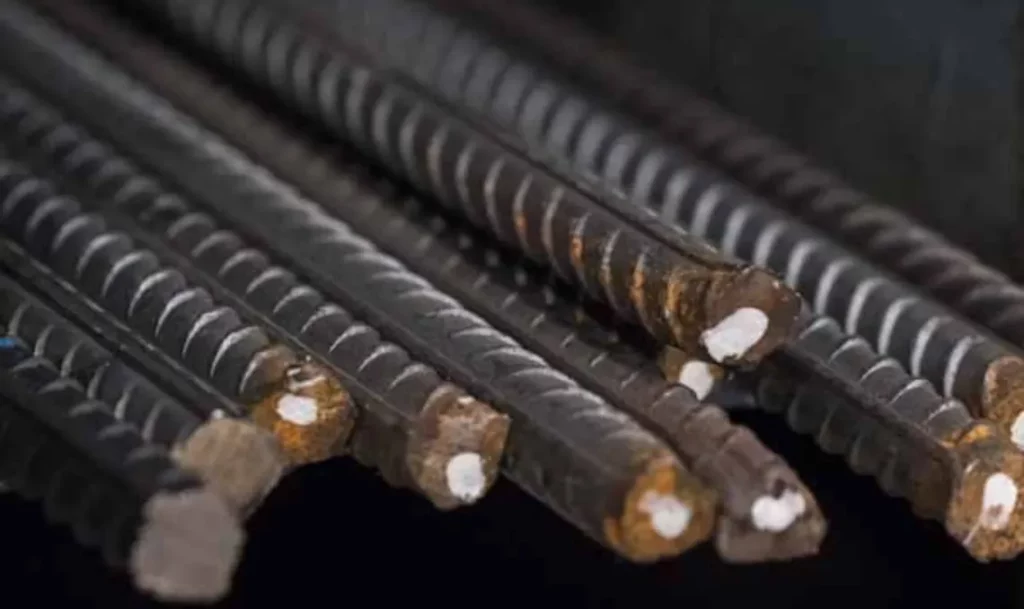
- Deformed Bars: These bars have raised ribs or patterns running along their length. This design creates a mechanical interlocking effect with the surrounding concrete, enhancing the bond between the two materials.
- Smooth Bars: Unlike deformed bars, smooth bars rely solely on adhesion for bonding with concrete. While this may be sufficient in some cases, it offers less resistance to slippage under load compared to deformed bars.
The Benefits of Textured Surfaces
In addition to the ribbed pattern on deformed bars, textured surfaces can also play a significant role in improving bonding performance. Research has shown that textured surfaces can increase the contact area between the bar and concrete by up to 40%. This larger contact area helps prevent bar movement during periods of stress, further enhancing the overall strength of the structure.
The Role of Modern Construction Standards
Due to their superior grip and load distribution capabilities, modern construction standards now require the use of deformed bars for most structural applications. This ensures that when concrete experiences tension—such as during an earthquake or heavy wind event—the stress is efficiently transferred to the steel reinforcement rather than causing cracks or failure in the concrete itself.
What Types of Reo Bars are Commonly Used in Construction?
1. Epoxy-Coated Rebar
Epoxy-coated rebar features a protective epoxy resin layer that shields the steel from moisture and chloride penetration, making it ideal for marine environments and structures exposed to de-icing salts. This coating extends the lifespan of reinforced concrete by preventing rust formation.
2. Galvanized Rebar
Galvanized rebar undergoes a zinc coating process that creates a barrier against corrosion. The zinc layer sacrificially corrodes before the steel core, providing reliable protection in moderately aggressive environments at a lower cost than stainless steel alternatives.
3. Stainless Steel Rebar
Stainless steel rebar offers superior corrosion resistance through its chromium content, which forms a passive oxide layer. Whilst more expensive, this option proves cost-effective for critical infrastructure requiring minimal maintenance over decades, particularly in coastal zones and chemical processing facilities.
4. Fibreglass Rebar
Fibreglass rebar provides a lightweight, non-corrosive alternative to steel reinforcement. Its electromagnetic neutrality makes it valuable for MRI facilities and structures requiring radio frequency transparency, though its lower modulus of elasticity requires careful engineering consideration.
5. High-Strength Rebar
High-strength rebar delivers increased tensile capacity through enhanced carbon content and manufacturing processes. This type reduces the quantity of reinforcement needed, optimising construction efficiency in high-load applications.
6. Standard Round Bars
Standard round bars with deformed surfaces remain the most economical choice for general construction where environmental exposure is minimal. Their ribbed pattern ensures mechanical bonding with concrete whilst maintaining cost-effectiveness for residential and light commercial projects.
How are Reo Bars Installed in Concrete Structures?
Cutting and Bending
Reo bar installation begins with precise cutting and bending to match engineering specifications. Steel fabricators use hydraulic cutters and bending machines to shape bars according to structural drawings, creating hooks, stirrups, or specific angles required for different structural elements. This fabrication process ensures each bar fits perfectly within the designated concrete section.
Placement of Reo Bars
Placement of rebar in concrete demands careful attention to spacing and positioning. Bars must sit at specific depths within the formwork, typically maintained using plastic spacers or chairs that keep reinforcement elevated from the base. The correct positioning ensures adequate concrete cover protects the steel from environmental exposure whilst maximising structural performance.
Key placement considerations include:
- Minimum concrete cover: Typically 20-75mm depending on exposure conditions and structural element
- Bar spacing: Sufficient gaps between bars allow concrete to flow freely and bond effectively
- Alignment: Horizontal and vertical bars must intersect at precise angles as specified in structural plans
Securing Reo Bars
Securing reo bars prevents movement during concrete pouring. Steel wire ties bind intersecting bars together, creating a rigid cage that maintains its shape under the weight and pressure of wet concrete. Spot welding or mechanical couplers join bars in high-stress areas where additional connection strength is necessary. Properly secured reinforcement stays in position throughout the pouring and vibration process, ensuring the finished structure performs as engineered. Learn more about where to buy LVL Timber in bulk for infrastructure projects?
Why is Proper Concrete Pouring and Curing Essential When Using Reo Bars?
Does the quality of concrete pouring affect reo bar performance? Absolutely—improper pouring creates voids that compromise the bond between steel and concrete, undermining the entire reinforcement system.
The Importance of Mix Design Compatibility
Mix design compatibility determines whether the concrete can flow adequately around the reo bars without segregation. The water-cement ratio, aggregate size, and admixtures must allow the mixture to penetrate tight spaces between bars whilst maintaining structural integrity. A mix that’s too dry won’t encapsulate the steel properly, whilst an overly wet mix weakens the final structure. For more detailed information on this topic, refer to the BIS standards.
The Role of Vibration Compaction in Concrete
Vibration compaction in concrete eliminates air pockets that form around reo bars during pouring. Mechanical vibrators consolidate the fresh concrete, forcing it into every crevice and ensuring complete contact with the steel surface. This process directly impacts load transfer efficiency—air voids create weak points where cracks initiate under stress.
The Significance of Curing Concrete with Reo Bars
Curing concrete with reo bars requires controlled moisture and temperature conditions for at least seven days, though 28 days achieves optimal strength. Water curing, curing compounds, or wet coverings prevent premature drying that causes shrinkage cracks. These cracks expose reo bars to moisture and oxygen, accelerating corrosion. Proper curing develops the concrete’s full compressive strength, which works in tandem with the reo bars’ tensile capacity to create a composite material far stronger than either component alone.
For comprehensive guidelines on proper concrete practices including pouring and curing methods, you can consult resources such as this manual or refer to the UFC document for further insights into these processes.
Where are Reo Bars Most Important?
Reo bars are essential in various construction applications where strength and durability are critical. Here are some key areas where reo bars play a vital role:
1. High-Rise Buildings
Reo bars are crucial in high-rise buildings where vertical loads and lateral forces require exceptional tensile strength. These reinforced concrete structures rely on rebar throughout columns, shear walls, and floor slabs to maintain structural integrity even during seismic events or high winds.
2. Residential Complexes and Commercial Infrastructure
Residential complexes and commercial infrastructure heavily depend on reo bars for foundations, …